

The Rise of the Non-Alcoholic Drinks Market in the UK
It’s hard to believe that the UK, known famously for its binge-drinking culture, is embracing the low/no alcohol trend. But the ‘low and no’ market value is expected to reach £450 million by 2024, showing that Britons have firmly embraced the non-alcoholic drinks market.
So what’s behind the rise? Is it a shift towards wellness? Has the pandemic had an impact? Learn more about the rise of the non-alcoholic drinks market in the UK and how your brand can get involved.
What does research tell us?
It’s hard to ignore the fact that the non-alcoholic drinks market is growing. It’s more visible when we browse online, it’s more noticeable in pubs and clubs, and it’s advertised more widely across social media and beyond.
The increased visibility of alcohol-free drinks is down to the increased appetite for low and non-alcoholic drinks. And there are many reasons behind this.
An active choice to reduce alcohol intake
According to Mintel, 32% of UK adults have limited/reduced their alcohol intake in the last 12 months. The reasons for this are varied and include health and financial reasons. Of those who’ve cut back on their alcohol intake, 54% agree that it makes them feel good. People still want to socialise and enjoy being in settings like pubs and bars, but the prospect of being hangover-free is one that’s become tempting for a lot of Britons.
A bigger focus on health and wellbeing
The health angle is perhaps one of the biggest drivers in the non-alcoholic drinks industry. Mintel’s research shows that 39% of those who have limited or reduced their alcohol intake have done so to improve their health.
The wellness industry is experiencing its own boom, with people placing a bigger emphasis on their health and well-being. This has had an impact on attitudes towards drinking, helping to drive more and more people towards low and non-alcoholic beverages.
The cost of living crisis
The cost of living crisis has also had an impact on eating and drinking habits. 55% of people have said that they are going out for food and drinking less than they were six months ago, and this is expected to further decline over the coming year. As people struggle to pay their energy bills or afford fuel costs, drinking is something that will be low down on people’s spending priorities.
The end of binge drinking?
Attitudes and behaviours towards alcohol experience constant change. However, in recent decades, there has been a steady decline in binge drinking, especially among young people. 66% of young people say alcohol is not an important part of their social lives, and clampdowns on underage drinking and drink-related harm could also be behind this shift. Non-alcoholic drinks provide a welcome alternative for younger, non-drinkers, who appreciate the fashionable and attractive alcohol-free alternatives.
How did the COVID-19 pandemic impact the UK’s attitude to drinking?
The COVID-19 pandemic has also had an impact on people’s attitudes towards alcohol.
Drinking was seen as a way to pass the time during the pandemic, with around 20% of people admitting to drinking more than they normally would during this time. Since the end of the pandemic, people have been making changes to their lifestyles, including reducing their alcohol intake in a bid to get healthier.
Improved flavours and better choice
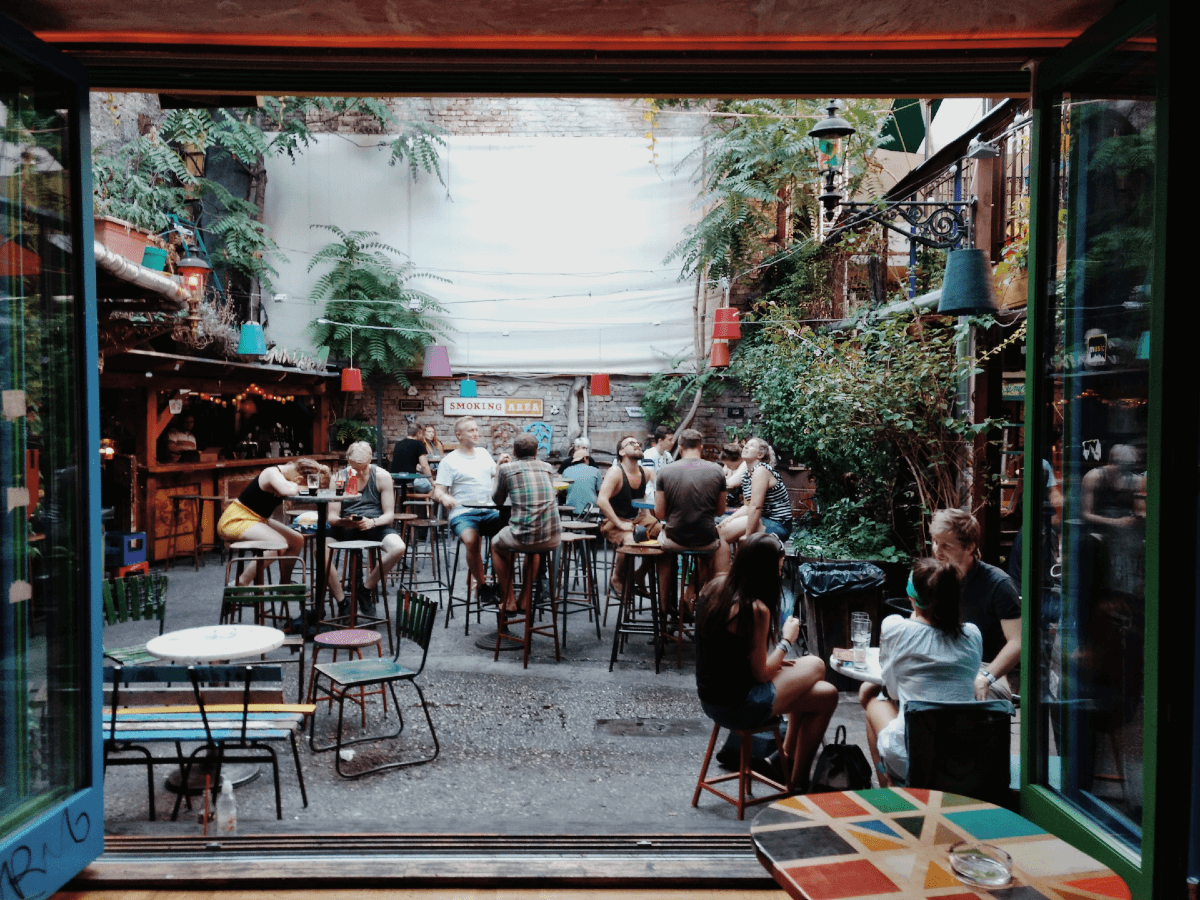
While people want to cut back on their drinking for a variety of reasons, that doesn’t mean that they don’t want to socialise. Bars and pubs remain popular places for people to gather, and the drinks industry has wised up to the fact people want an alternative to the typical soft drink.
Non-alcoholic drinks, like non-alcoholic beers and spirits, are created to look and taste like alcohol, providing tastier choices to consumers. With the health benefits promoted on top, the growing range of products is proving especially tempting to Brits. Thanks to social media platforms like Instagram and TikTok, people are getting involved in food and drink in different ways, exploring different trends and recipes in a new and exciting way.
The celebrity influence
Let’s not forget the celebrity influence of ‘low and no’ alcohol on the drinks industry. In the UK, well-known names like Spencer Matthews have been marketing non-alcoholic drinks for years, promoting healthier lifestyles in addition to beverages. Internationally, the list of celebrities with their own non-alcoholic drinks is growing, with Blake Lively and Bella Hadid amongst those getting in on the action. The influence celebrities can have on lifestyle is astonishing, and if low or no alcohol is seen as the next cool lifestyle trend, the market expansion is almost guaranteed.
How can your brand embrace alcohol-free alternatives?
There are a lot of options for brands across different industries to embrace alcohol-free alternatives. Health and wellbeing brands can expand their product ranges and appeal to their existing customers as a way to promote healthy living, helping people embrace alcohol-free alternatives. For existing alcohol brands, creating and marketing low or no-alcohol versions of their popular products can be a successful strategy, building on existing brand awareness while retaining some of the market share from those who are cutting or reducing their alcohol intake and looking elsewhere for their drinks.
While the non-alcoholic drinks industry is a growing one, it’s also a competitive one. To succeed in this area, research is going to be essential to your strategy, helping you find an innovative angle to appeal to consumers. Branding and marketing will be essential to help you engage with your target market across a range of platforms.
The Green Seed Group is a renowned food PR agency specialising in all areas of the market. With a team of food and drinks experts driving our client’s campaigns, we can help create and tailor campaigns to help ensure success for your product. Explore some of our previous case studies to learn more about what we do, or get in touch to see how we can help your business.