

How Calorie Labelling Can Affect Your Businesses Food Sales
Most businesses will tell you that they were not exactly looking for ways that things could get more complicated than they already are right now. The new laws about calorie labelling have sent a lot of food business owners into a bit of a panic, and there have been a lot of concerns about to what extent this will impact sales. One of the main reasons why there have been so many of these questions is because, as ever, these things are not always explained in the simplest of terms.
As a business, any kind of disruption to the way that you market your food to your customers is cause for concern. Calorie labelling has made a lot of businesses anxious about their PR and how it will affect their messaging. However, with the right preparation, consideration and advice, calorie labelling does not necessarily need to have too much of an impact. Let’s break down what you need to know.
What Is Calorie Labelling?
Calorie labelling requires businesses to list the number of calories that any given food product, beverage, or dish contains that they sell. As you may know, the higher the number of calories, the more energy the food or drink contains. Lower calorie meals, snacks and drinks are favoured by anyone to lose a bit of weight.
What Is The Government Doing With Calorie Labelling?
Calorie labelling has been introduced by the British government as part of its efforts to deal with obesity. A lot has been written about the rate of obesity diagnoses in adults and children in particular. The hope is that by tackling obesity, the government will be able to take some of the pressure off the national health service.
One of the reasons why the government has taken the approach of calorie labelling is that they feel that can be difficult for consumers to make informed decisions about what they are buying. It is also the case that a lot of meals that are bought in restaurants and from takeaways will be higher in calorie content than food cooked at home. Market research has always been crucial in this sector, but it has been and will continue to be crucial when it comes to understanding the impact of giving this information on food businesses. Remember that a lot of customers may not want to see how many calories are in the products they are buying, for example.
Does My Business Need To Label Calories?
The government’s calorie labelling initiative is currently aimed at big businesses and chains. Right now, any food business that employs more than 250 people must have calorie labelling measures in place. That means that the calories and portion advice will not only be listed on the packaging of products in supermarkets, but menus will also have calorie and portion information. Whether you are a food and drink manufacturer, a company that exports food or drink overseas, or a store or restaurant, you will need to think carefully about your PR strategy if you are a large enough business to need to abide by these measures. We can help you think about the best way to move forward.
Why Will Calorie Labelling Affect My Business?
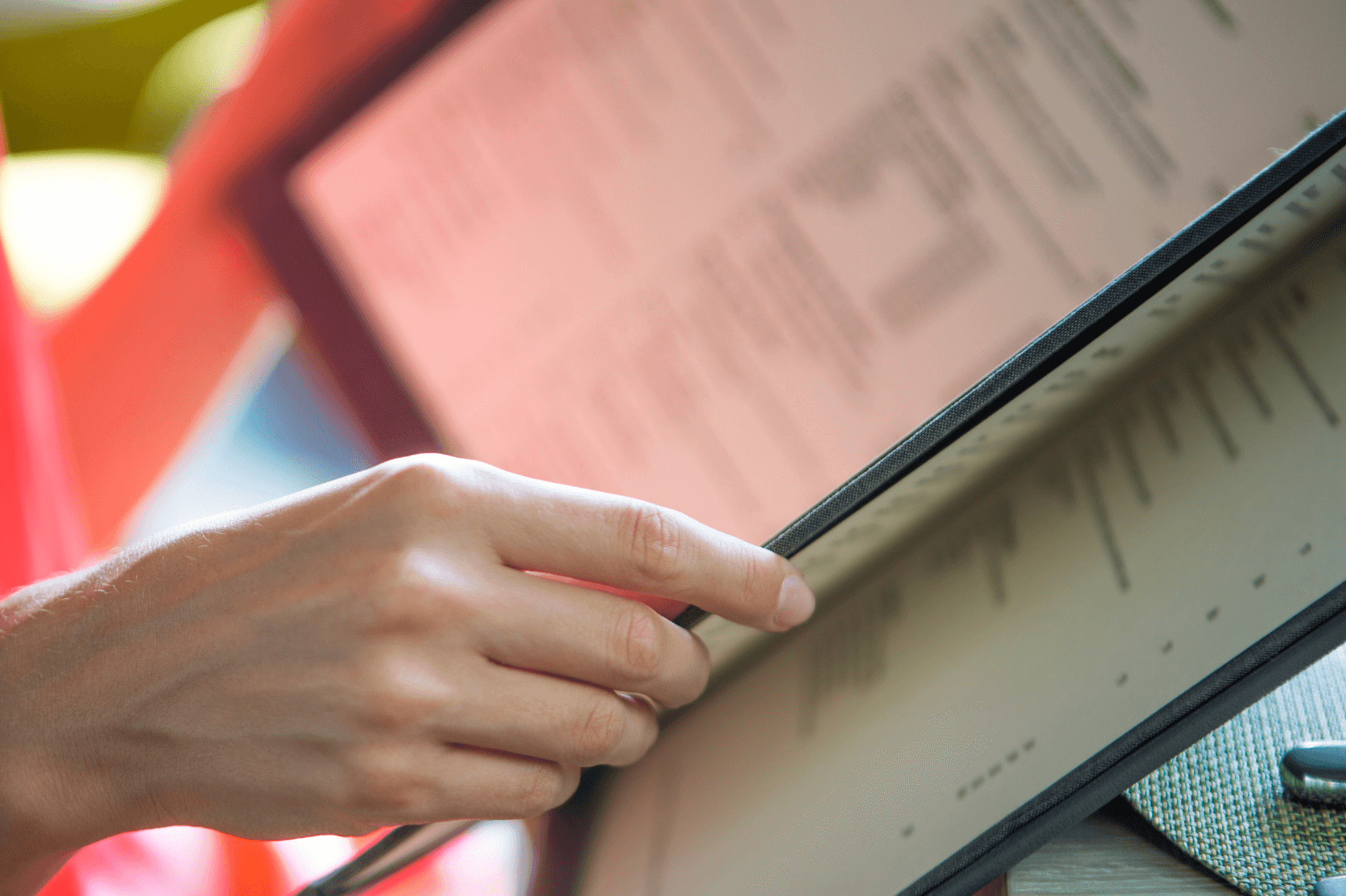
The major concern from the food industry around calorie labelling is that it is going to make a lot of work for food businesses. The food industry has been through an incredibly tough time during the recent pandemic and the focus is on what is going to entice customers to return. The worry is that customers will be less likely to order food if they can see the calorie content as it creates another choice at the point of purchase. Beverage companies may also have to abide by this ruling. It is important to remember that calorie labelling gives a narrow view of the food’s nutritional content, and that high calories are not the only reason why certain food and drinks and unhealthy.
Great marketing is going to be crucial for any businesses that want to reassure their customers that they are still getting the same great food and drink. But we can also help you to continue to work on your sales strategies in a way that minimises the amount of extra work that you need to be doing to comply with this new law.
What Can I Do To Lessen The Impact?
The fact is that there are some good reasons to be worried about how calorie labelling will impact your business. Customers may be less likely to buy goods if they are confronted with a number that they may not fully understand but which looks incredibly high. You will need to think carefully about how you present this information to your customers. Branding is going to be very important. The government has given some examples of suggestions for how to incorporate calorie information into menus and so on, but you may want to think a little more carefully about how you plan to do so. We have worked with several amazing brands to help them grow, and our case studies speak for themselves.
Why Do I Need To Get Professional Advice?
Right now, so many food businesses are reeling from everything that has happened over the last couple of years that they are in a precarious position already. What’s more, things are tough for every business out there right now, regardless of industry. The impact of Brexit still means that a lot of places are going through some supply shortages and staff shortages. The rising cost of living means that customers are getting a lot pickier about where they are spending their money, and you will also be feeling the crunch when it comes to your operating costs.
Getting professional advice on this issue will help you not only minimise the disruption caused by the introduction of calorie labelling but will help you to find the best way to present your brand and your marketing. At Green Seed Group, we help businesses identify new opportunities and work on their sales and marketing strategies. We have the local market expertise and experience that can make a real difference to food businesses in these challenging times. To learn more about how we can help your business continue to grow, take a look at the clients that we already work with, and get in touch to find out more about what we have to offer.